Which Supplements Should Indians Take? 10 Common Nutrients You Should Know About
Understanding vitamins, minerals and other nutrients—and when supplementation may actually be useful.
In this article +
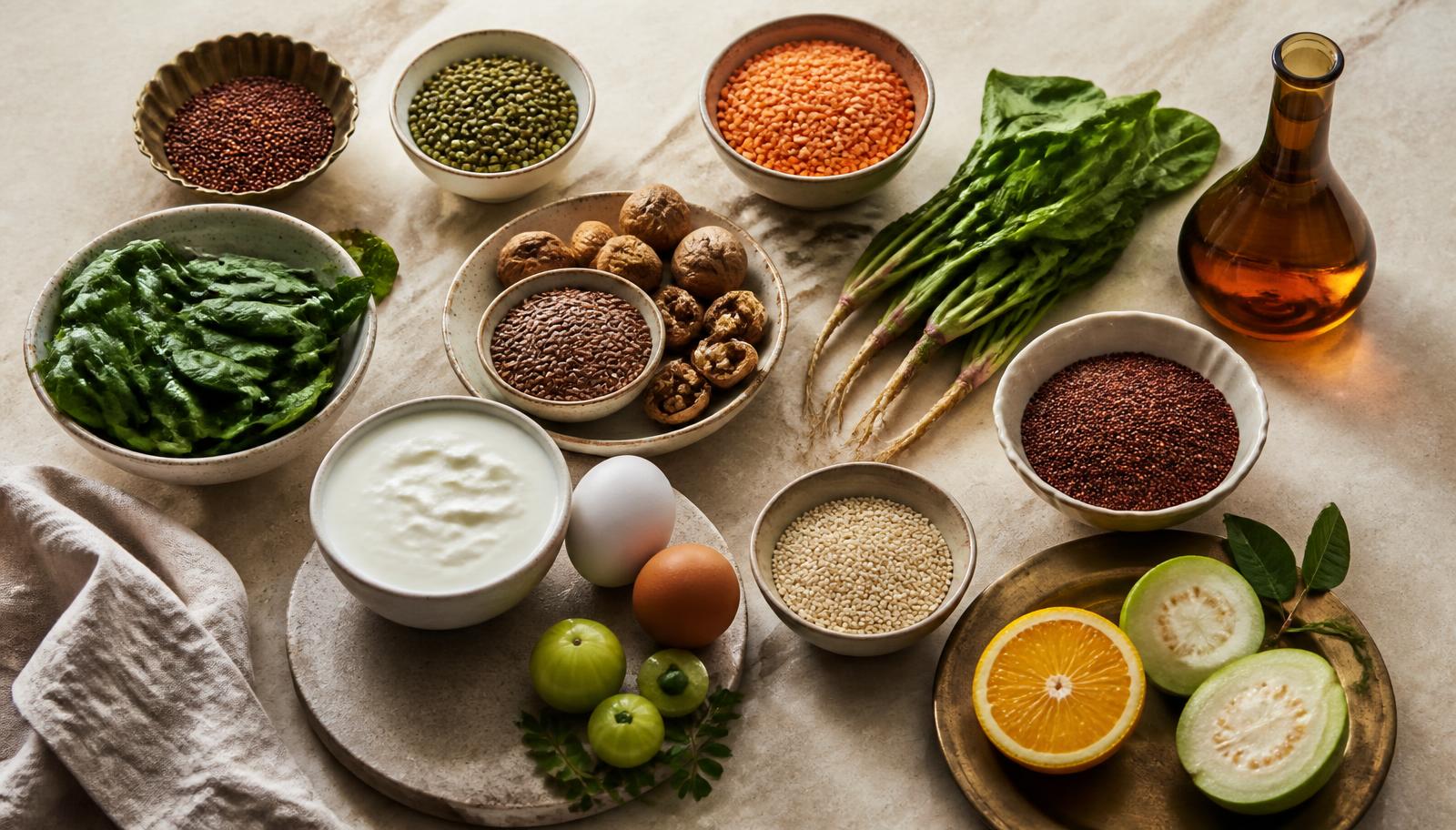
Supplements have become increasingly common in Indian households. From multivitamins and vitamin D to omega-3, B12, magnesium and herbal formulations, countless products promise to support energy, immunity, bones, metabolism and overall wellness.
But an important question often gets overlooked: does everyone actually need supplements?
The answer is no.
A healthy, varied diet should generally be the foundation of good nutrition. The Indian Council of Medical Research and National Institute of Nutrition emphasize dietary variety and adequate intake of different food groups as the basis for meeting nutrient requirements. Supplements can have a role when dietary intake is inadequate, requirements are increased, or a deficiency is confirmed or suspected.
For Indians, some nutrients deserve particular attention because dietary patterns, lifestyle, age, pregnancy, vegetarian diets and other factors can influence nutritional adequacy.
“The goal isn’t to take more supplements. The goal is to get the nutrients your body actually needs.”
10 nutrients Indians should know about
Vitamin D
Supports calcium metabolism, bones and wider physiological function.
Read chapterVitamin B12
Important for red blood cells, neurological function and DNA synthesis.
Read chapterIron
Helps form haemoglobin, which carries oxygen through the body.
Read chapterCalcium
Supports bones, teeth, muscle function and nerve signalling.
Read chapterFolate
Vitamin B9 supports DNA synthesis, cell division and blood formation.
Read chapterOmega-3
Includes plant-based ALA and the long-chain fatty acids EPA and DHA.
Read chapterZinc
Supports immune function, protein synthesis, healing and growth.
Read chapterMagnesium
Contributes to muscle, nerve, energy and bone function.
Read chapterVitamin C
An antioxidant involved in immunity, collagen and iron absorption.
Read chapterIodine
Required for thyroid hormones, metabolism, growth and development.
Read chapter01 — Vitamin D
Why it matters
Vitamin D plays an important role in calcium metabolism and bone health, and is involved in several physiological processes.
Although sunlight enables the body to produce vitamin D, adequate exposure does not automatically guarantee adequate status. Lifestyle, clothing, skin pigmentation, season and geography can all influence production.
Research has reported a high prevalence of low vitamin D levels in Indian populations, although estimates vary and questions remain about which blood-level thresholds best predict health outcomes in Indian populations.
Where can you get it?
- Sunlight
- Fortified foods
- Eggs and some animal foods
- Fatty fish
Should you take a supplement?
Not necessarily. People with limited sun exposure, certain dietary patterns, medical conditions or documented low vitamin D may need supplementation under professional guidance.
High-dose vitamin D should not be taken routinely without appropriate medical advice.
02 — Vitamin B12
Why it matters
Vitamin B12 contributes to normal red blood cell formation and neurological function and is involved in DNA synthesis.
Because naturally occurring B12 is primarily found in animal-derived foods, people who consume little or no animal food may have difficulty obtaining enough from diet alone. ICMR-NIN identifies B12 as a nutrient that can be challenging for vegetarians and notes fortified foods as one possible source.
Where can you get it?
- Milk and dairy products
- Eggs
- Fish
- Meat
- Fortified foods
Should you take a supplement?
People following vegetarian or vegan diets should pay particular attention to their B12 intake. Fortified foods or a supplement may be appropriate depending on individual intake and requirements.
03 — Iron
Why it matters
Iron is essential for the formation of haemoglobin, which helps transport oxygen throughout the body.
Iron deficiency is an important nutritional concern in India. A systematic review of Indian studies reported substantial levels of iron deficiency, although prevalence differed considerably between populations.
Where can you get it?
- Lentils and dals
- Beans
- Green leafy vegetables
- Millets
- Nuts and seeds
- Meat and seafood
- Iron-fortified foods
Should you take a supplement?
Not automatically. Supplementation can be useful when iron deficiency or increased requirements are identified, but unnecessary high-dose iron is not a good strategy.
People with suspected iron deficiency should speak with a healthcare professional about appropriate evaluation. Vitamin C can improve absorption of non-heme iron from plant foods.
04 — Calcium
Why it matters
Calcium is best known for maintaining healthy bones and teeth, but it also contributes to normal muscle function, nerve signalling and other physiological processes.
Where can you get it?
- Milk and curd
- Ragi
- Sesame seeds
- Soy products
- Certain leafy vegetables
- Calcium-fortified foods
Should you take a supplement?
Getting calcium from food is generally preferable when possible. People with inadequate dietary intake or particular life-stage or medical considerations may require additional calcium.
Supplementation should be individualized rather than treated as a universal requirement.
05 — Folate
Why it matters
Folate is important for DNA synthesis, cell division and normal blood formation.
It is particularly important during pregnancy because adequate folate intake before conception and during early pregnancy is associated with prevention of neural tube defects.
Where can you get it?
- Green leafy vegetables
- Beans
- Lentils
- Peanuts
- Citrus fruits
- Fortified foods
Should you take a supplement?
Pregnant women and women planning pregnancy should discuss appropriate folic acid supplementation with their healthcare professional rather than relying solely on general dietary advice.
06 — Omega-3
Why it matters
The major omega-3 fatty acids include ALA, found primarily in plant foods, as well as EPA and DHA.
Vegetarian diets can provide ALA, but its conversion into EPA and DHA is limited. ICMR-NIN therefore highlights the challenge of obtaining adequate long-chain omega-3 fatty acids in vegetarian diets.
Where can you get it?
- Fatty fish
- Flaxseeds
- Chia seeds
- Walnuts
- Omega-3-fortified foods
Should you take a supplement?
For people who do not consume fish, certain algae-derived products can provide DHA and/or EPA. The need and amount should be considered in the context of the overall diet.
07 — Zinc
Why it matters
Zinc is an essential mineral involved in numerous biological processes, including immune function, protein synthesis, wound healing and normal growth and development.
Where can you get it?
- Pulses and beans
- Nuts
- Seeds
- Whole grains
- Dairy
- Meat and seafood
Should you take a supplement?
A varied diet can provide zinc, although requirements and absorption vary with dietary pattern and individual circumstances. Zinc supplements should not be viewed as a replacement for a balanced diet.
08 — Magnesium
Why it matters
Magnesium participates in hundreds of biochemical reactions in the human body. It contributes to normal muscle and nerve function, energy metabolism and maintenance of normal bones.
Where can you get it?
- Nuts and seeds
- Whole grains
- Pulses
- Green leafy vegetables
- Legumes
Should you take a supplement?
Foods such as almonds, pumpkin seeds, peanuts and legumes can be useful sources. Although magnesium supplements are widely marketed for various purposes, supplementation is not automatically necessary for everyone.
09 — Vitamin C
Why it matters
Vitamin C is an antioxidant and plays important roles in normal immune function, collagen formation and iron absorption. Fortunately, it is widely available in Indian diets.
One particularly useful point is that vitamin C can enhance absorption of non-heme iron from plant-based foods.
Where can you get it?
- Amla
- Guava
- Oranges and lemons
- Tomatoes
- Capsicum
- Other fruits and vegetables
Should you take a supplement?
For many people, a varied diet containing fruits and vegetables can provide substantial amounts of vitamin C. Additional supplementation is not automatically required.
10 — Iodine
Why it matters
Iodine is required for the production of thyroid hormones, which help regulate metabolism and support normal growth and development.
Where can you get it?
- Iodized salt
- Food prepared with iodized salt
Should you take a supplement?
More is not necessarily better. An appropriate amount of iodized salt within a balanced diet can help provide iodine, while excessive salt intake should still be avoided.
People with thyroid or other medical conditions should follow individualized advice from their healthcare professional.
Food First
Supplements can fill gaps. They don’t replace a good diet.
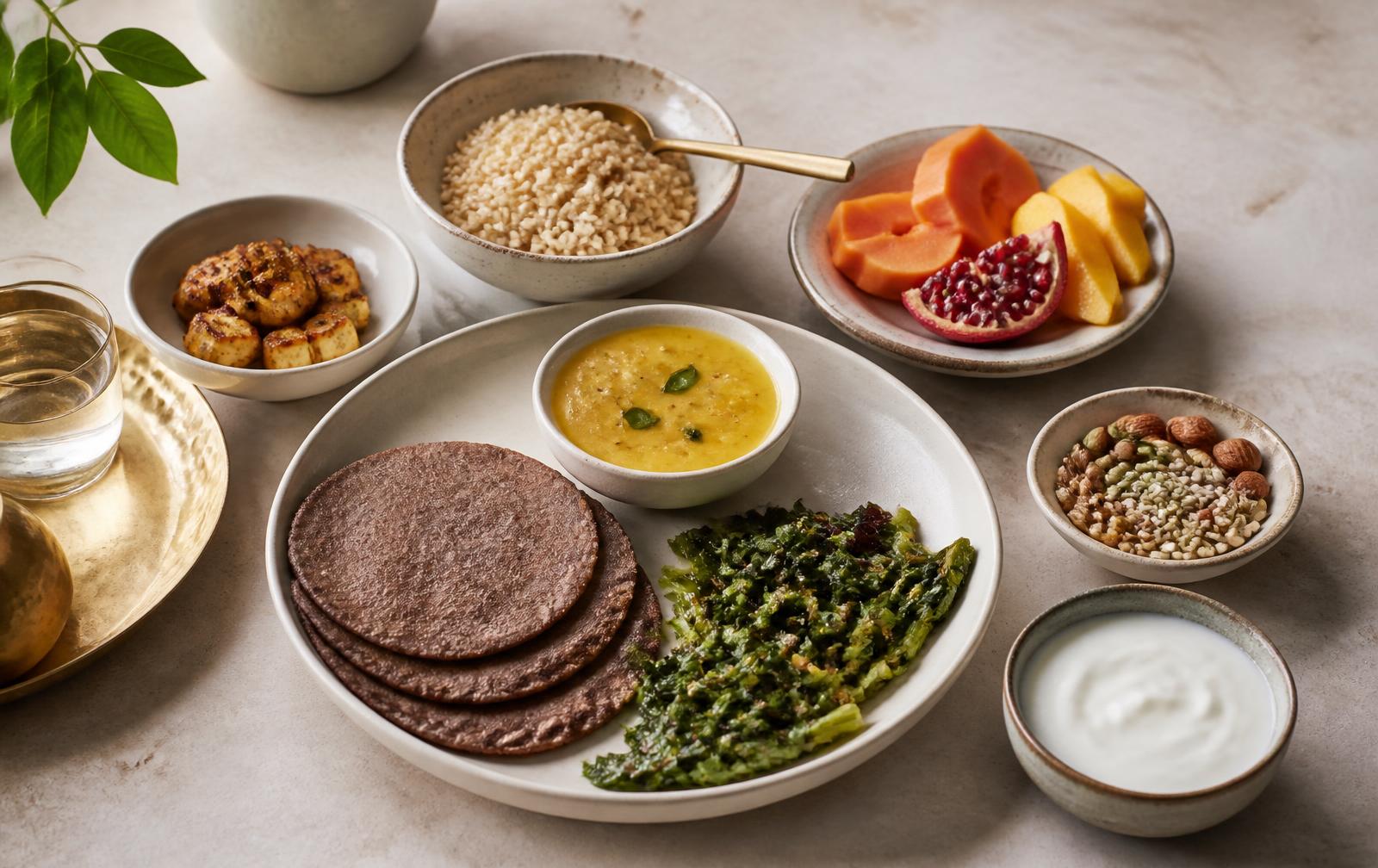
A varied diet remains the foundation of good nutrition. Supplementation should complement—not replace—a balanced diet.
- Pulses
- Vegetables
- Fruits
- Whole grains & millets
- Nuts & seeds
- Dairy or appropriate proteins
Should I take a supplement?
There is no single supplement list that applies to every Indian. Requirements vary with age, sex, diet, pregnancy and lactation, activity, lifestyle, health conditions, medicines, absorption and confirmed deficiencies.
- 01Start with your diet
- 02Identify your nutritional risk
- 03Consider appropriate testing where relevant
- 04Discuss with a qualified healthcare professional
- 05Choose appropriate supplementation if needed
A diverse diet containing cereals and millets, pulses, vegetables, fruits, nuts and seeds, and appropriate animal or fortified foods can help provide a wide range of nutrients.
A strict vegan diet may create particular B12 considerations. Limited sun exposure may warrant a conversation about vitamin D. Pregnancy creates increased nutritional requirements and needs specialized advice.
Blood tests can sometimes help identify nutritional deficiencies, but not everyone needs extensive testing. Testing should be guided by symptoms, risk factors and professional advice.
If supplementation is appropriate, consider the nutrient and dose, ingredient quality, labeling, serving size, manufacturing standards, expiry date, and whether the product is appropriate for your age and circumstances.
What About Multivitamins?
A multivitamin may be useful in some situations, but it isn’t automatically necessary for everyone.
It can help when dietary intake is inadequate or nutritional requirements are difficult to meet, but it should not be considered a substitute for a balanced diet.
Taking several supplements simultaneously can result in unnecessary duplication—for example, a multivitamin plus separate high-dose vitamin D, zinc and iron without checking combined intake. More nutrients do not automatically mean better health.
7 Questions to Ask Before Taking a Supplement
Do I actually need it?
Can I get the nutrient from food?
Is there a known deficiency or increased requirement?
What dose do I actually need?
Am I already getting this nutrient elsewhere?
Is the product appropriately manufactured and labeled?
Is supplementation appropriate for my situation?
If you take prescription medicines or have a medical condition, discuss supplementation with your doctor or qualified healthcare professional.
The Bottom Line
Supplements can play an important role in nutrition—but they are not a shortcut to a healthy lifestyle.
For Indians, vitamin D, vitamin B12, iron, calcium, folate, omega-3 fatty acids, zinc, magnesium, vitamin C and iodine deserve attention because dietary intake and nutritional needs vary significantly between individuals.
A balanced diet should remain the foundation. When dietary intake is insufficient or a deficiency or increased requirement is identified, the right supplement, in the right amount, can help bridge the nutritional gap.
Frequently Asked Questions
Medical Disclaimer
This article is intended for general educational and informational purposes only. It is not a substitute for professional medical advice, diagnosis or treatment. Nutritional requirements vary between individuals. Before starting a new supplement—particularly high-dose vitamins or minerals, or supplements during pregnancy, in children, or alongside prescription medicines—consult a qualified healthcare professional.
References & Further Reading
About Oracle Health Park
25+ years of pharmaceutical precision
Oracle Health Park develops research-driven pharmaceutical and nutraceutical formulations designed around quality, evidence and everyday health.
Explore Oracle Health ParkFrom the journal
Understanding Herbal Extracts: Standardization, Potency & Quality
In preparation
Vitamin B12: Why It Matters for Vegetarian Diets
In preparation
How to Choose a High-Quality Nutraceutical Supplement
In preparation
Questions about nutraceuticals or pharmaceutical formulations?
Speak with the Oracle Health Park team.